If you have ever walked through Rosemary Beach and wondered why the homes feel so timeless, you are not imagining it. This community was planned to look and live differently from a typical beach neighborhood, with architecture, streets, and public spaces all working together. If you are considering buying here, understanding that design story can help you see what sets Rosemary Beach apart and what ownership really feels like. Let’s dive in.
What Makes Rosemary Beach Distinct
Rosemary Beach is part of South Walton’s 32461 district in Walton County, and county planning materials identify it as one of the area’s master-planned communities shaped by New Urbanist principles. In simple terms, that means the community was designed for walkability, connected public spaces, and a mix of housing types rather than car-first sprawl.
The town’s plan began in 1995 through Rosemary Beach Land Company, President Patrick Bienvenue, and DPZ, the planning firm led by Andres Duany and Elizabeth Plater-Zyberk. The community took shape on 107 acres along the Gulf and Scenic 30A, with the first two family residences completed in 1997 and Town Hall following in 1999.
That origin matters because Rosemary Beach was never meant to be a random collection of beach houses. From the start, it was built around a clear vision of how homes, streets, parks, and daily life should fit together.
Architecture With a Clear Point of View
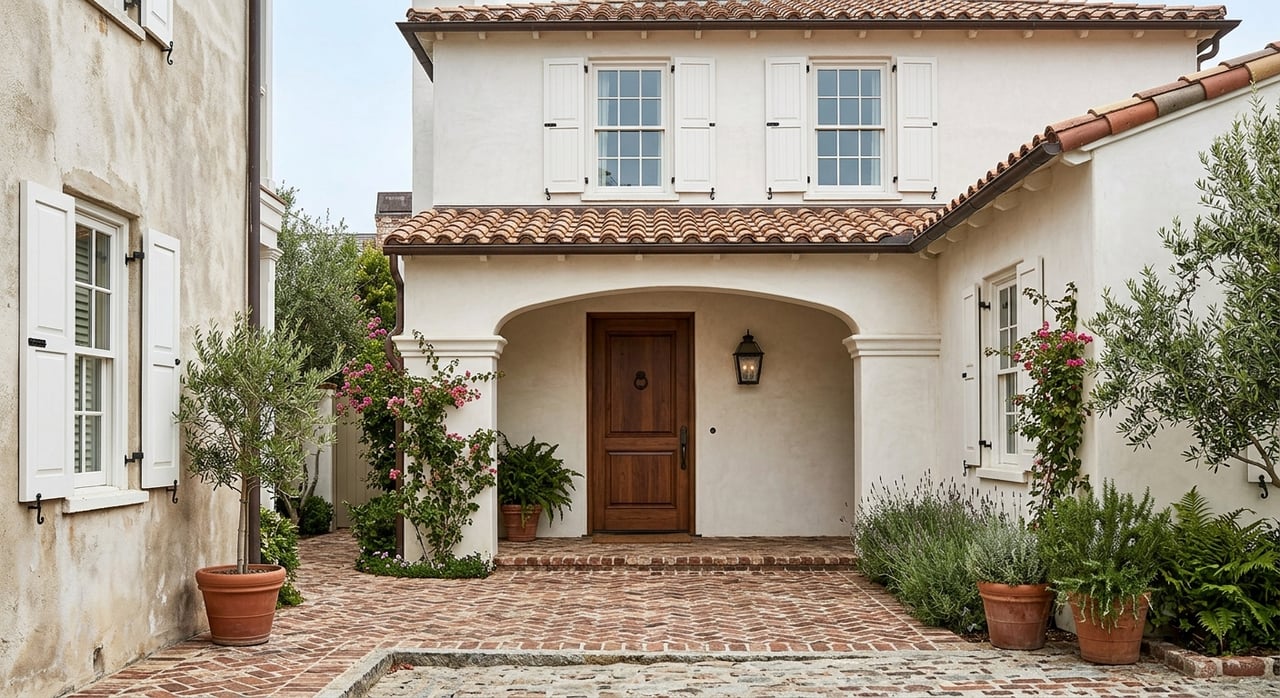
One of the biggest reasons Rosemary Beach feels memorable is its consistent architectural language. The community points to influences from the Caribbean, West Indies, Dutch West Indies, New Orleans, St. Augustine, and Charleston.
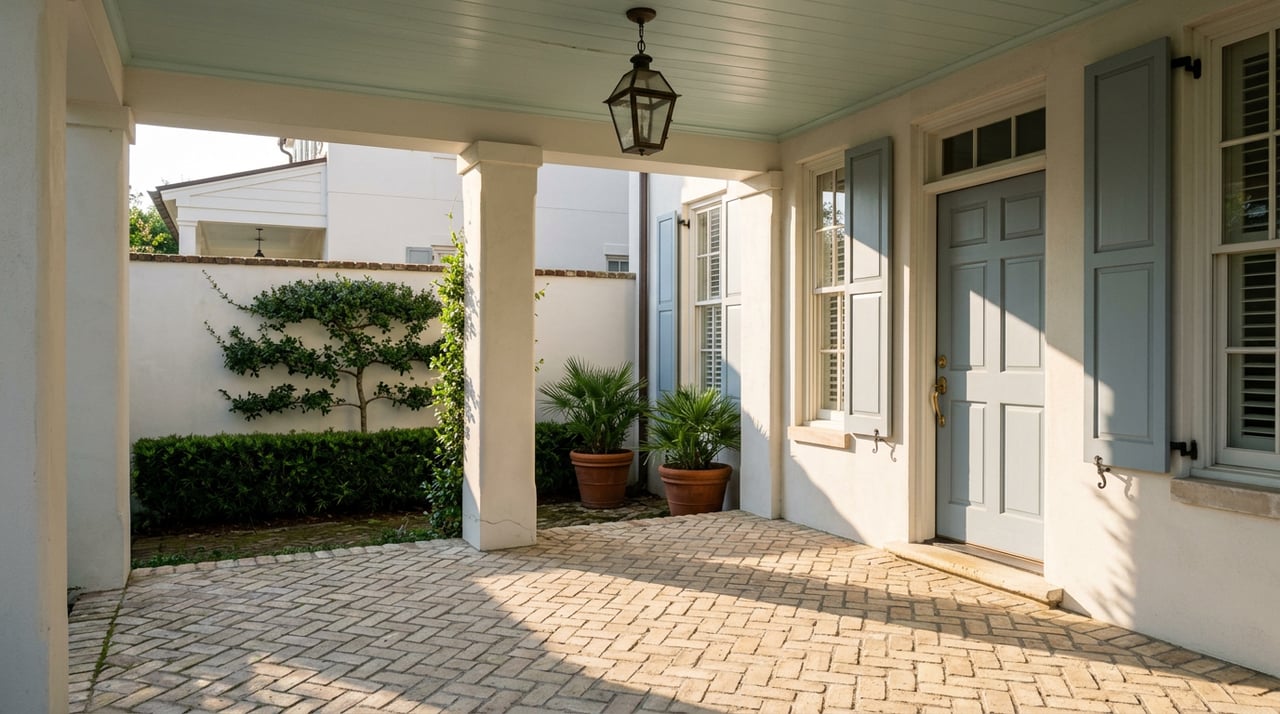
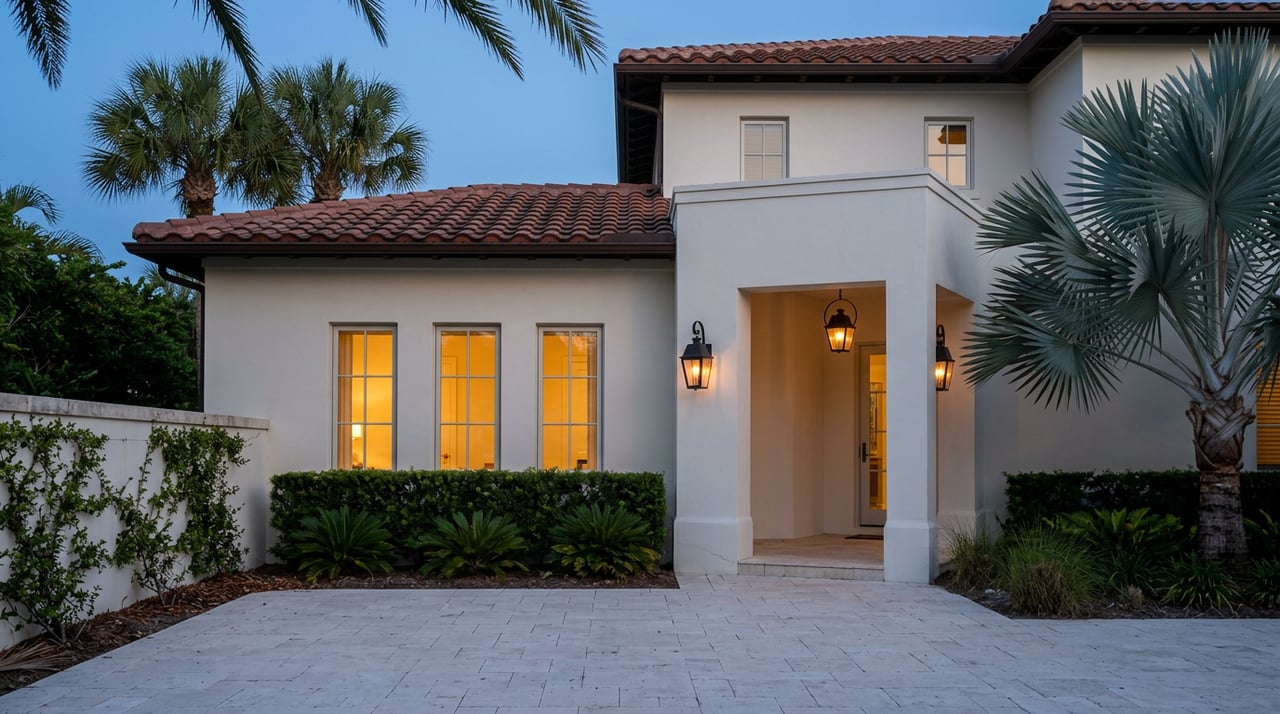
You can see those influences in the details. Many homes feature elevated masonry bases, deep eaves, steep roofs, shuttered openings, large porches, and natural color palettes instead of brighter high-contrast beach-house styling.
That design approach gives the neighborhood a polished, coastal feel without looking overly themed. The homes feel relaxed and elegant, but they also respond to the climate and setting in practical ways.
Why Homes Feel Varied but Unified
Rosemary Beach homes are not cookie-cutter copies. The community says homes are individually designed by different architects, yet they are organized within 12 basic lot types and a strict regulating plan.
That balance is part of the charm. You get architectural variety from house to house, but the streetscape still feels cohesive and intentional rather than visually cluttered.
The community’s code also requires architecture to be open, street-facing, and designed in context with surrounding buildings. That helps explain why the neighborhood feels curated without feeling repetitive.
Civic Buildings Reinforce the Style
The architectural identity is not limited to private homes. Town Hall is described by the property owners association as a white stucco building with a Dutch West Indies parapet roof, and the Post Office follows the same visual family.
Those civic buildings help set the tone for the entire town. When public structures and homes speak the same design language, the whole community feels more unified.
Streets That Put Walking First
A big part of Rosemary Beach’s charm comes from what happens outside the homes. The community describes a town center linked by meandering paths, boardwalks, cobblestone streets, parks, and shops, with most destinations about a five-minute walk away.
That layout changes how the neighborhood feels day to day. Instead of long stretches of garage-fronted homes and wide roads, you get a more pedestrian-scaled environment where front doors, porches, and pathways shape the experience.
Walton County’s planning definition of New Urbanism includes walkable neighborhoods, accessible pedestrian walkways, open spaces, and a mix of uses. Rosemary Beach puts that idea into physical form.
Why Rear Alleys Matter
One of the most important design choices in Rosemary Beach is hidden parking. The community notes that rear alleys and carriage-house additions provide parking and extra living space behind the homes, allowing front doors to face boardwalks, pathways, and green spaces.
That may sound like a small detail, but it has a major effect on the streetscape. When garages and service areas move to the back, the front of the neighborhood feels more welcoming, more walkable, and less dominated by vehicles.
For buyers, this also means the visual experience of the neighborhood is shaped by architecture and landscaping rather than driveways and garage doors. It is one of the clearest reasons Rosemary Beach feels different from a standard coastal subdivision.
How Rosemary Beach Creates Privacy
If you are used to neighborhoods where privacy comes from larger lots and deep front setbacks, Rosemary Beach may feel different at first. Here, privacy is usually created in layers through design rather than distance.
Rear access helps keep the front streets calmer and more public-facing. Porches, landscaping, and enclosed or semi-enclosed outdoor spaces help create a sense of separation without pushing homes far apart.
Some homes in the community also reflect an inward-facing layout with central courtyards, carriage houses, and private pools. That kind of outdoor room can make a home feel private and sheltered while still fitting the community’s walkable pattern.
Outdoor Rooms Shape Daily Living
Rosemary Beach is known for more than its home exteriors. The public realm includes East and West Long Green Parks, St. Augustine Green, smaller pocket parks, footpaths, boardwalks, and a 2.3-mile fitness trail that winds through gardens and public spaces.
These areas act almost like extensions of the homes. Instead of relying only on private yards, the neighborhood gives you a network of outdoor spaces that support walking, gathering, and everyday movement.
For many buyers, that is part of the appeal. The lifestyle here comes not just from the house itself, but from how easily the house connects to the larger community.
What Buyers Should Know About Ownership
Rosemary Beach’s strong visual identity comes with a trade-off. The same rules that protect the neighborhood’s appearance also create a more managed ownership experience.
The community’s code covers development, construction, landscaping, and maintenance, and the Town Architect oversees compliance. The property owners association also lists roles such as a Compliance Manager, Landscape Coordinator, Facilities Manager, and Beach Services team, which shows how actively the community is maintained.
For buyers, that means you should expect oversight rather than a loose, anything-goes environment. If you value consistency and a carefully maintained setting, that structure may feel like a major benefit.
Expect Layered Review
Ownership here also sits within Walton County’s broader rules. The county’s code-compliance guidance notes that setback requirements apply to structures in unincorporated areas, and the land-development code organizes development through zoning and district rules.
In practice, buyers in Rosemary Beach should expect layered review. County regulations apply, and the community’s own design controls apply too.
That is especially important if you are thinking ahead about exterior updates, landscaping changes, or other modifications. It is wise to understand both levels of oversight before you buy.
Maintenance Is Part of the Look
Rosemary Beach’s materials and finishes were chosen to patina over time in a harsh coastal climate, but the community also acknowledges that maintenance, refreshing, and modifications are inevitable as the town matures. In other words, the neighborhood is designed to age gracefully, but it does not maintain itself.
Coastal weather adds its own demands. Salt air, sun, moisture, and wind can all affect exterior finishes, so owners should be prepared for ongoing upkeep to maintain the polished appearance that defines the community.
Florida’s residential code also helps explain some of the home forms you see in this area. In coastal high-hazard areas and Coastal A Zones, elevated construction is required, which is one reason coastal homes often have raised first floors and lower-level spaces that function differently from the main living areas.
Why Rosemary Beach Appeals to Buyers
For many second-home buyers, investors, and lifestyle-focused purchasers, Rosemary Beach offers something that is hard to duplicate. It combines architectural charm, a walkable plan, carefully designed public spaces, and a recognizable sense of place.
The appeal is not just visual. The neighborhood is built to support life on foot, to soften the impact of cars, and to create a shared environment that feels both social and private.
That said, Rosemary Beach is best understood as a curated community. Its beauty comes from intentional design, active management, and a clear architectural point of view.
If you are weighing homes in Rosemary Beach or comparing it with other 30A and Emerald Coast communities, it helps to look beyond square footage and finishes. The real value is often in how the home fits into the town’s larger design, lifestyle, and ownership structure.
When you want local guidance on coastal communities, architectural character, and what different ownership experiences feel like in practice, Stephanie Phillips and the team at Resort Real Estate Group are here to help you navigate it with confidence.
FAQs
What architectural styles influence Rosemary Beach homes?
- Rosemary Beach homes draw from Caribbean, West Indies, Dutch West Indies, New Orleans, St. Augustine, and Charleston influences, often seen in features like deep eaves, steep roofs, shuttered openings, masonry bases, and large porches.
What makes Rosemary Beach walkable in Walton County?
- Rosemary Beach was planned with New Urbanist principles, including pedestrian pathways, boardwalks, parks, open spaces, and a town layout where many destinations are about a five-minute walk away.
How do Rosemary Beach homes create privacy?
- Privacy is often created through rear alleys, hidden parking, porches, landscaping, and inward-facing outdoor spaces rather than through large front setbacks.
What should buyers know about Rosemary Beach design rules?
- Buyers should expect a managed environment with community design controls covering development, construction, landscaping, and maintenance, along with Walton County regulations that may also apply.
Why do some Rosemary Beach homes have elevated first floors?
- Coastal construction rules in Florida require elevated construction in certain hazard areas, which helps explain why many homes have raised primary living levels and lower spaces used differently from the main floor.
Is Rosemary Beach maintenance different from a typical neighborhood?
- Yes. The community’s materials are chosen to age well in a coastal climate, but owners should still expect regular upkeep and oversight to preserve the neighborhood’s architectural character.