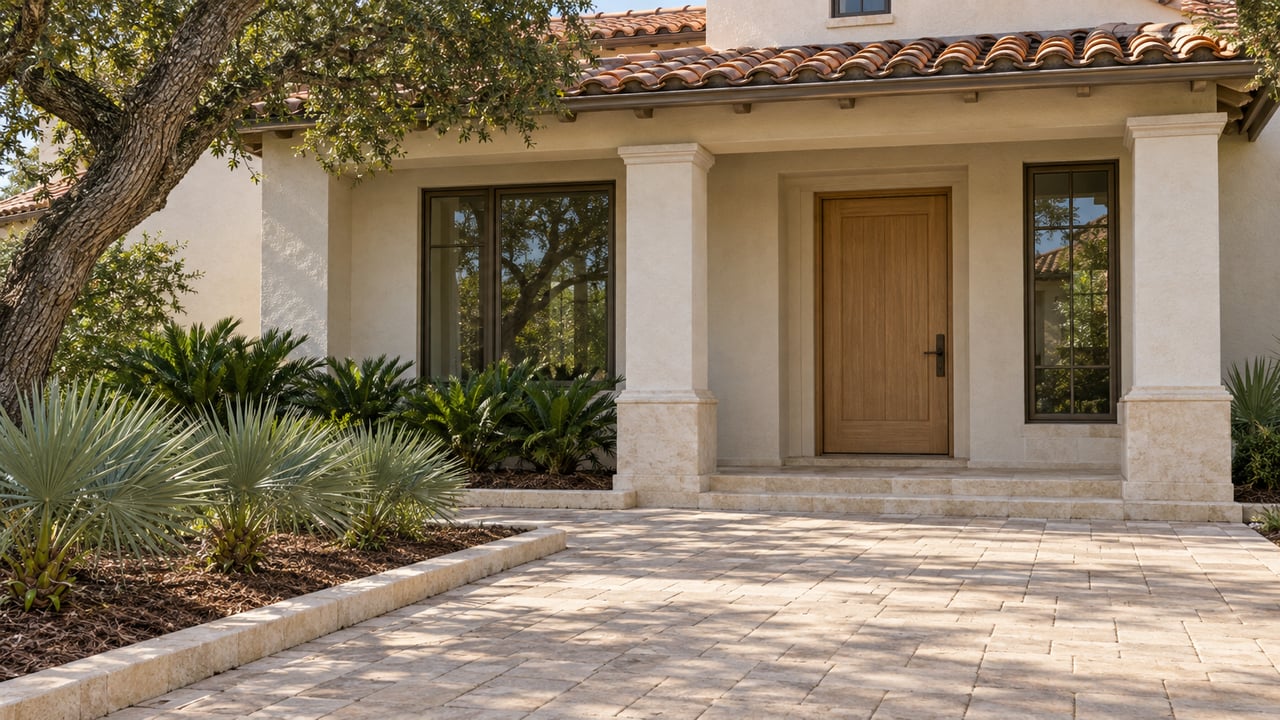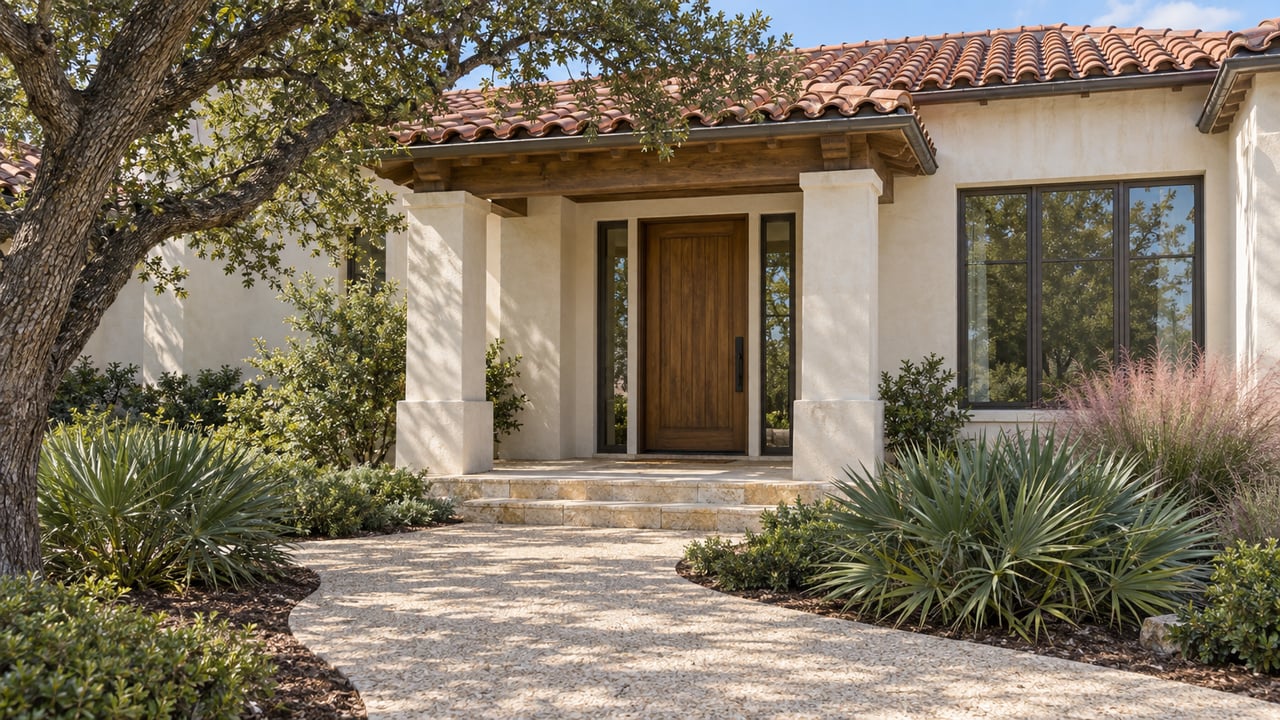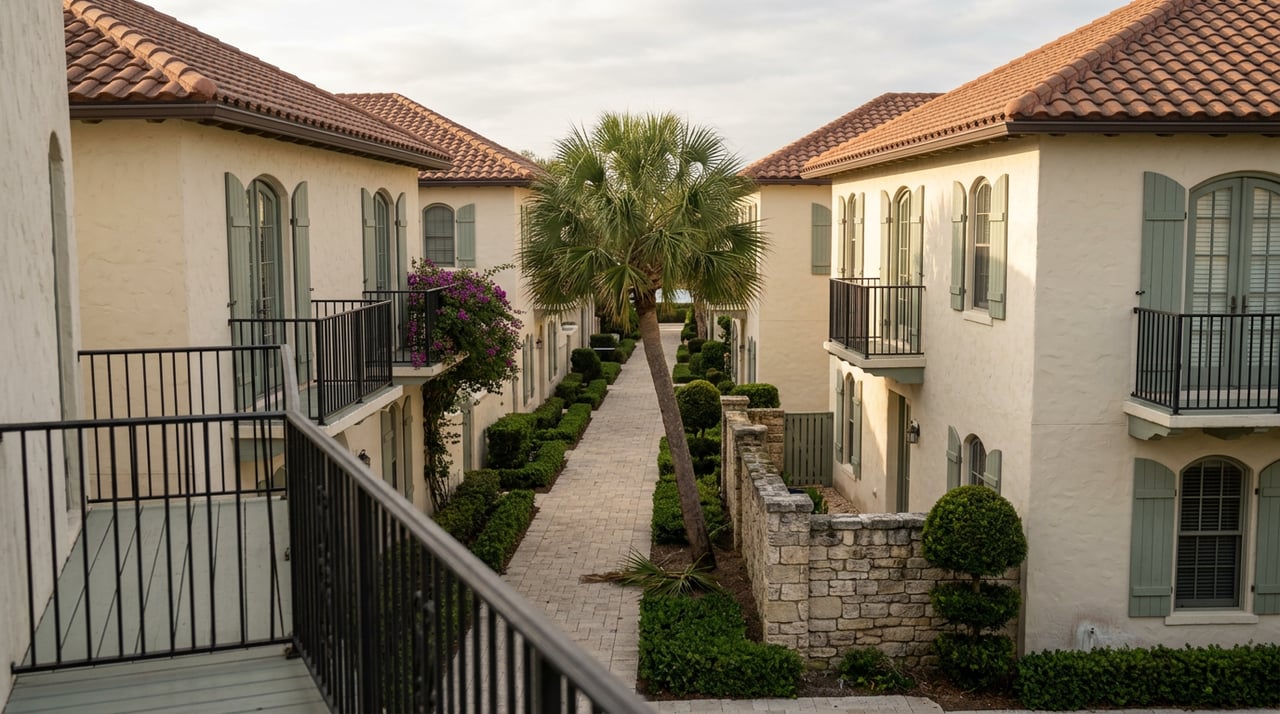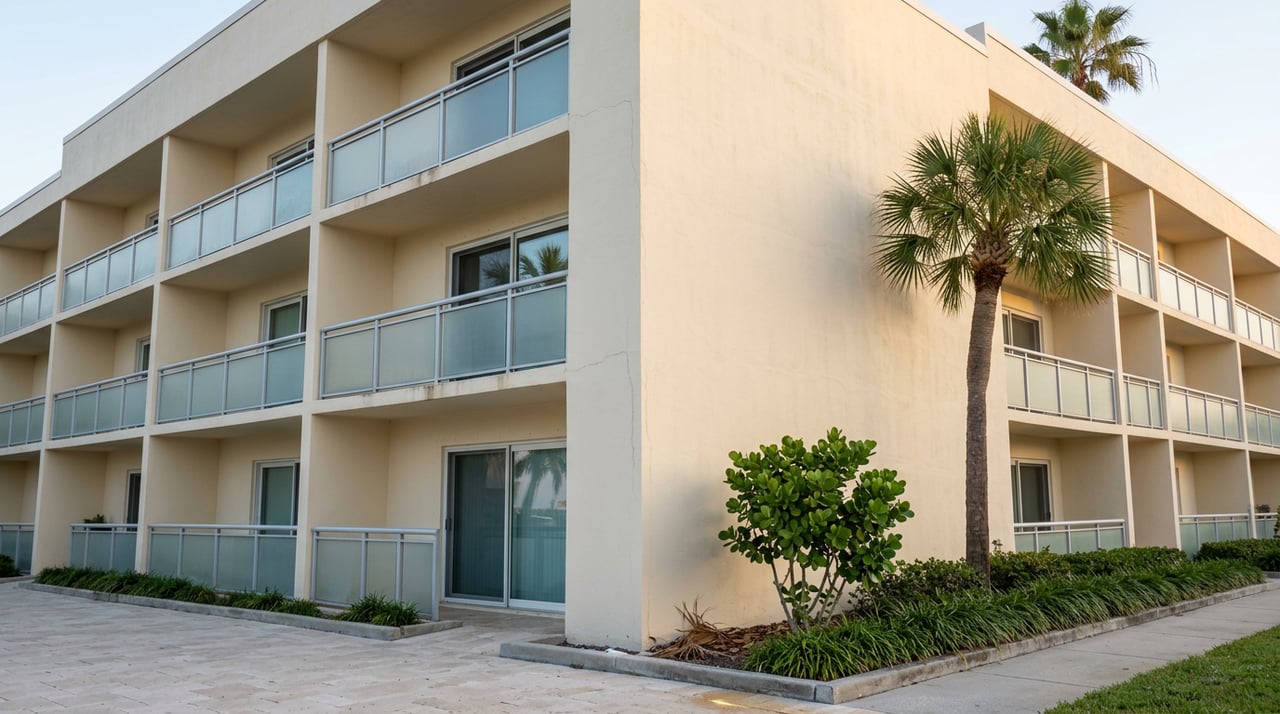
Two showings, same Tuesday afternoon, same price range. The first stop is a twelfth-floor unit at Beachside, gulf views stacked over a golf cart path, built in the mid-1980s. The second is a townhome at Beachwalk Villas tucked against one of Sandestin's lakes, built around the same era, private patio, low HOA fee. On paper, the buyer treats these as two flavors of the same decision: older Sandestin resale, similar vintage, pick the view you like better.
That instinct is wrong, and Florida's condo safety law is the reason. Age isn't what separates these two properties in the eyes of the state. Height is. One of them answers to a set of structural inspection and reserve funding rules that didn't exist five years ago. The other one, built in the same decade, doesn't answer to those rules at all.
The law was never really about age
Florida's post-Surfside reforms, Senate Bill 4-D in 2022 and Senate Bill 154 the following year, created two requirements for condominium and cooperative buildings: milestone structural inspections and Structural Integrity Reserve Studies, known as SIRS. House Bill 913, which took effect July 1, 2025, tightened the reserve funding rules further and clarified exactly which buildings the law touches.
The trigger is three or more habitable stories. Not decade of construction. Not whether the association calls itself a condo or a villa community. Height above two stories, full stop, is what pulls a building into milestone inspections and mandatory SIRS reserve funding. A building under that threshold, no matter how old, sits outside the entire framework.
Sandestin has both kinds of buildings from the same construction era, which is what makes this such a useful place to see the rule in action. Beachside One went up in 1984, twelve stories, 120 units. Beachside Two followed in 1986 at twenty-one stories. Bayside, also from 1984, sits directly on the Choctawhatchee Bay with its studio-sized bayfront units. All three are squarely inside the law's reach.
Beachwalk Villas, built between 1983 and 1990 in Sandestin South, and Sandestin Beach Villas, the small collection of pink beachfront townhomes from 1985 near the Hilton, are the same generation of Sandestin real estate. They're townhome-style, low-rise construction. If they sit under three habitable stories, as their private-drive, private-patio layout suggests, they never trigger a milestone inspection or a SIRS requirement, regardless of how many decades pass.
Same era. Same resort. Two entirely different regulatory futures.
What already happened at Beachside and Bayside
Beachside One crossed the 30-year mark back in 2014. Beachside Two crossed it in 2016. Bayside got there in 2014 as well. Under the law's structure, a building's first milestone inspection comes due at 30 years and repeats every 10 years after that. All three of these towers passed that first threshold roughly a decade before the current statute even required it, then watched the requirement arrive around them once SB 4-D and SB 154 took effect. By August 2026, each of them has been sitting inside the milestone inspection and SIRS framework for years, not months.
The reserve funding side of the law caught up on January 1, 2026. Associations can no longer waive or underfund reserves for the eight structural components a SIRS covers: roof, load-bearing walls and primary structural members, fireproofing and fire protection systems, plumbing, electrical, waterproofing, windows and exterior doors, and any other item whose failure would cost more than the state's indexed threshold, set at $25,675 for 2026. For decades, associations could vote to keep those reserves artificially low to hold dues down. That option is gone for any budget adopted on or after that date.
What that means for a resale buyer today is straightforward. If you're touring a unit at Beachside or Bayside, the seller's association should already have a completed milestone inspection report on file and a SIRS-compliant budget in place. If neither exists, or if the board has flagged deferred structural work without a funding plan, you're not looking at a cosmetic condo. You're looking at a building mid-transition into a new financial regime, and the bill for years of underfunded reserves may not have landed yet.
The coastal wrinkle nobody has confirmed
The 30-year trigger has an exception. Florida law, as set out in the MyFloridaLicense inspection guidance, allows local building officials in coastal jurisdictions to require the first milestone inspection at 25 years instead of 30, based on the argument that salt air and storm exposure age a structure faster near the water. Broward County, for example, applies the 25-year trigger countywide, according to Building Mavens. Whether Walton County's building department has made that same call for Sandestin's oceanfront and bayfront towers is a detail worth confirming rather than assuming, because the answer changes the math for buildings that haven't hit 30 yet.
Southwinds, built in 1997, is the property where this actually matters. Under the default 30-year rule, Southwinds doesn't face its first milestone inspection until 2027. Under a 25-year coastal rule, that obligation would already have arrived in 2022. A buyer comparing Southwinds to an older Beachside unit might assume the newer building is the safer bet purely on age. Whether that holds depends on a local determination, not a statewide default, and it's a phone call worth making to the building's association before treating "newer" as a reliable stand-in for "not yet regulated."
Why a low fee stopped being a good sign
Buyers have spent years treating a lower-than-average HOA fee as a point in a condo's favor. In a SIRS-covered building, that instinct now cuts the other way. A fee that looks thin next to comparable towers is often the fingerprint of reserves that were never funded to the level the law now requires, which means the gap has to close somehow: a special assessment, a loan the association takes out and passes through in dues, or both.
The scale of what that gap can look like elsewhere in Florida is worth sitting with, not because it predicts what happens at any specific Sandestin building, but because it shows what years of underfunded reserves can turn into once a mandatory SIRS forces the number into the open. Some Miami-Dade associations facing the same statutory deadline have landed on per-unit assessments running from the tens of thousands into six figures once deferred structural work finally got priced and funded. That's the mechanism the law was built to prevent going forward and to expose for buildings still catching up.
This red flag only applies inside the SIRS population. A low fee at Beachwalk Villas or Sandestin Beach Villas doesn't carry the same warning, because those buildings were never required to fund structural reserves on this schedule in the first place. The signal only means something once you know which side of the three-story line the building sits on.
What to actually request before you write the offer
House Bill 1021 requires associations with 25 or more units to post governing documents, budgets, and reserve studies online, which makes this due diligence easier to complete before you're under contract than it would have been two years ago. Before making an offer on a Sandestin condo in a building three stories or taller, ask for:
- The most recent milestone inspection report, including whether it was Phase 1 only or whether a Phase 2 was triggered
- The current Structural Integrity Reserve Study and its funding schedule
- The last 12 months of board meeting minutes, checked for any mention of pending assessments or deferred repairs
- The reserve fund balance measured against what the SIRS recommends, not just against the operating budget
- A written history of any special assessments levied in the past five years and how they were funded
For a low-rise property under three habitable stories, this list mostly doesn't apply. That's not a loophole, it's the plain result of where the law drew its line. Confirming the story count and habitable-floor status of the specific building you're considering is the first question, before any of the rest matter.
A few questions before you make an offer
Does this apply to single-family homes in Sandestin? No. The milestone inspection and SIRS requirements are specific to condominium and cooperative buildings three or more habitable stories in height. Single-family and townhome products under that threshold fall outside the law entirely.
Can I request these documents before I'm under contract? Yes, and for associations with 25 or more units, House Bill 1021's transparency requirement means much of it should already be posted online. It's reasonable to ask the listing agent for the SIRS and milestone inspection status during a showing, not just after an offer is accepted.
What if the building hasn't completed its milestone inspection yet? That's a material gap, not a minor paperwork delay. It means the association hasn't yet produced the structural findings that the SIRS is supposed to be built around, and it leaves you without visibility into the building's actual condition heading into a purchase.
Does a completed SIRS guarantee there won't be a special assessment? No. A SIRS tells you what the reserve funding plan calls for. Whether the association is actually collecting at that level, or is relying on a loan or a phased catch-up, is a separate question worth asking directly.
Buying into an older Sandestin tower isn't a mistake. Plenty of well-run associations have already done the inspection, funded the reserves, and priced their dues honestly. The mistake is assuming that decade of construction tells you which category a building falls into. Ask about height and habitable stories first. Everything else about the building's regulatory and financial exposure follows from that one number.
If you're weighing a resale purchase in Sandestin and want a second set of eyes on a building's SIRS status, reserve funding, or inspection history before you write an offer, Resort Real Estate Group works this corridor every day and can help you get the right documents in hand before you're under contract.
This article is general information, not legal, tax or financial advice. Consult a qualified professional about your situation.