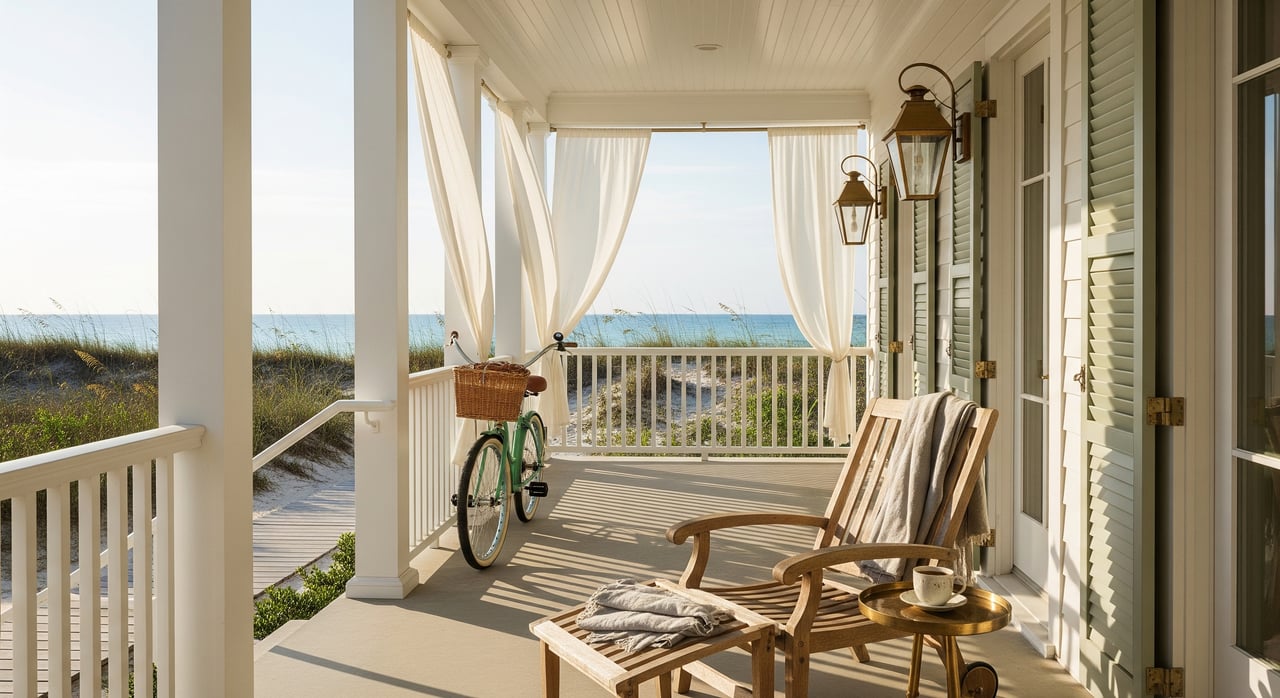
What does a day at your Rosemary Beach second home really feel like? Picture soft Gulf light pouring over boardwalks, the sound of bike bells on the 30A path, and an easy walk to coffee before a morning beach stroll. If you love a relaxed, walkable coastal town with plenty to do, this is it. In this guide, you’ll learn what daily life is like, how the seasons shape your stays, and the practical steps that keep ownership simple. Let’s dive in.
What everyday life feels like
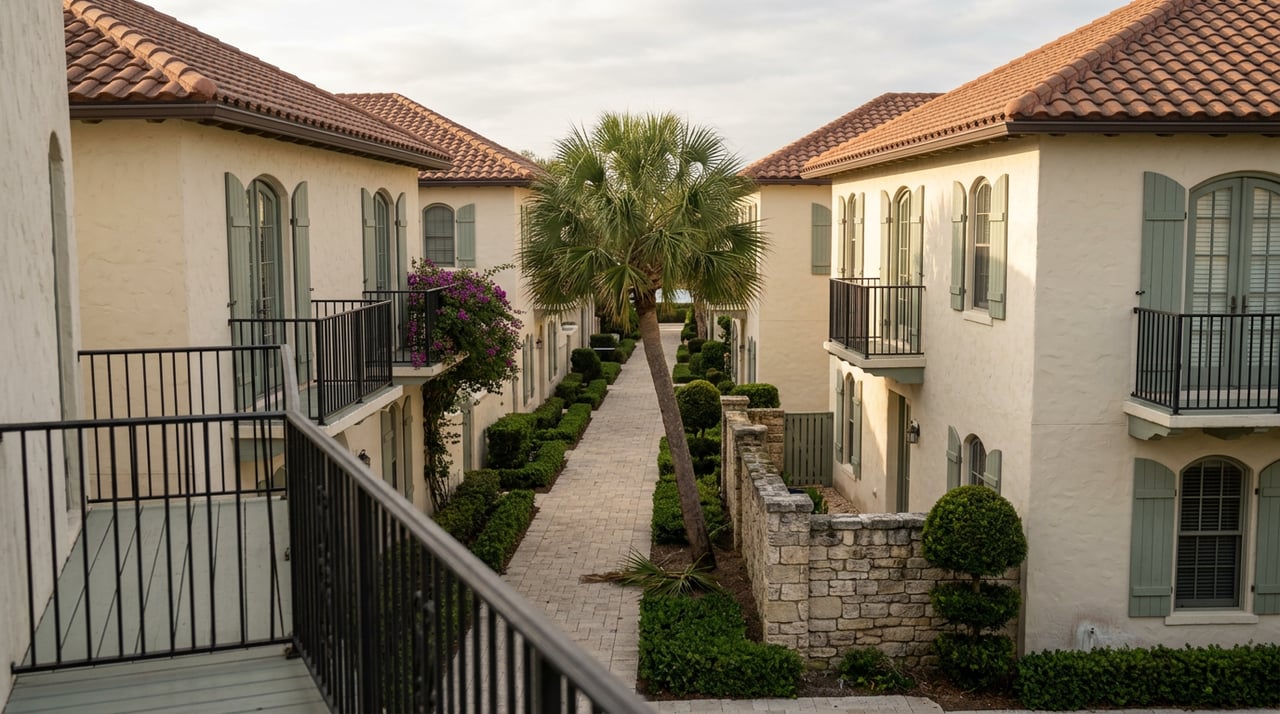
A second home in Rosemary Beach gives you short walks and bike rides to almost everything. Streets are narrow, porches face friendly sidewalks, and the beach is close. The town center puts cafés, casual restaurants, and small boutiques within a few blocks.
You can expect a slower pace than larger resort areas, especially outside of peak summer. The design encourages you to park once and use your feet or a bike for the rest of the day. Many owners keep a simple routine that makes each stay feel effortless.
Morning rhythm
- Start with a beach walk or jog along the Gulf, then grab coffee at a café in the town center.
- Make a quick grocery or bakery run on foot or by bike for breakfast at home.
- If you have remote work to do, check your property’s broadband and cellular coverage in advance so mornings run smoothly.
Midday moments
- Head to the beach for swimming or sun, or launch a paddleboard on a calm day.
- Bike along the 30A path for a casual ride and a change of scenery.
- Meet friends for a laid-back lunch, then browse local boutiques before a porch break.
Evenings and social time
- Choose a nearby restaurant for dinner or grill at home and enjoy your courtyard or balcony.
- Catch live music or a seasonal event in the town center or neighboring communities.
- Off-season evenings feel quiet and peaceful. Summer and holidays can be festive and lively.
Getting around on 30A
In-town travel is mostly walking and biking. Narrow streets and short blocks make it easy to skip the car for short trips. You will also find a continuous bike and pedestrian corridor along 30A that connects Rosemary Beach to nearby communities.
When you do need to drive, plan for seasonal traffic along 30A during peak months. Many second-home owners time errands for mornings or midweek. For trip planning, regional airports commonly used are Northwest Florida Beaches International Airport (ECP) and Destin–Fort Walton Beach Airport (VPS). Travelers often use rental cars, private vehicles, or shuttles.
If you want a sense of seasonal events and what is happening nearby, browse the calendar at Visit South Walton.
Seasonality and rhythms
Seasonality shapes daily life and how you plan your stays.
- Peak season: Late spring through summer and holiday weeks bring the most visitors, energy, and activity. Expect more noise and heavier traffic along 30A.
- Shoulder seasons: Spring and early fall are popular with many owners thanks to milder weather and lighter crowds. You still get a lively scene without peak congestion.
- Low season: Late fall through winter, outside the holidays, is quiet. Restaurants and shops may reduce hours. Snowbird owners often enjoy longer, relaxed stays.
If you prefer a calm vibe, target shoulder and winter weeks. If you love a lively beach scene for guests and family visits, plan for summer and holidays.
Owning a second home: what to expect
Rosemary Beach is designed for a low-stress, pedestrian lifestyle, but ownership still requires planning. A local property manager helps if you are not nearby. Most owners budget for routine services and seasonal tasks.
Key services many owners use include housekeeping, linen rotation, routine maintenance, HVAC servicing, landscaping, pest control, and storm preparation. Costs vary by property type and vendor, and you should plan for year-round care even if your stays are seasonal.
Insurance and weather planning
Hurricane season runs from June through November. Build a plan for storm preparation, including boarding windows or using shutters, securing outdoor furniture, and having a post-storm recovery checklist. Follow updates from the NOAA National Hurricane Center during the season.
Flood exposure is a reality for coastal properties. Lenders often require flood insurance, and it is advisable for near-shore homes. Verify your property’s flood zone at the FEMA Flood Map Service Center and compare coverage options. Coastal wind exposure can affect homeowners and wind-only policy costs, so review deductibles carefully with a local insurance professional.
HOA rules and design controls
Rosemary Beach has community covenants and architectural review standards that guide exterior changes, landscaping, and in-town modifications. These rules maintain the town’s cohesive style. Before you plan updates, review the covenants and talk with the architectural review board. Expect rules for parking, guest parking, and short-term rental compliance.
Taxes and operating costs
Florida has no state personal income tax, which can matter for rental income planning and residency strategy. Property taxes, HOA fees, and special assessments vary by property. If you plan to rent, include tourist development and sales taxes, plus management fees, maintenance, utilities, and capital reserves in your budget. A local CPA can help you structure rental income and understand county procedures.
Renting when you are away
Many properties in Rosemary Beach operate as short-term rentals. Strong demand during spring, summer, and holiday periods helps, though competition is high. The best performers are often well-maintained homes close to the beach.
You must follow HOA rules and Walton County requirements, including any business licenses, tourist taxes, and safety standards that apply. If you work with a property manager, they can handle marketing, guest turnover, cleaning, linens, and emergency response. They can also share comparable rental data so you can set realistic expectations.
A July weekend vs a January week
- July: Expect a lively town center, busy beach paths, and more restaurant waits. You will still enjoy a walkable day, but errands and parking take more planning.
- January: Mornings are quiet and the pace is slow. Some businesses reduce hours. Long walks, bike rides, and porch time define your days.
Both seasons have a clear appeal. It comes down to the energy you want and whether you plan to host guests or focus on recharging.
Quick checklists for owners
Use these short lists to keep your stays and rentals stress-free.
Hurricane prep basics
- Verify shutters or window protection and know who handles installation.
- Secure outdoor furniture, grills, and decor before storms.
- Service HVAC, test sump pumps or generators if applicable, and stock essentials.
- Confirm your vendor list for post-storm inspections and clean-up.
- Monitor storm guidance from the NOAA National Hurricane Center.
Property manager questions
- What is included in your standard fee, and what is billed as extra?
- How do you handle guest screening, issues after hours, and emergency response?
- What is your cleaning, linen, and maintenance rotation between stays?
- How do you report damage and coordinate repairs?
- Can you share rental comps for my property type and location?
HOA and parking questions
- What exterior changes require approval and how long does it take?
- Are there restrictions on signage, lighting, or landscaping?
- What are the rules for short-term rentals, guest parking, and owner vehicles?
- Are there quiet hours or event restrictions I should know about?
Choosing the right property fit
Rosemary Beach offers cottages, townhomes, low-rise condos, and high-end single-family homes. Condos and townhomes can offer lower maintenance if you want turnkey living. Single-family homes deliver more space and privacy, with gardens or courtyards for outdoor living.
If accessibility is a priority, ground-level layouts or elevator-equipped buildings can be helpful. For rental goals, compare proximity to the beach, sleeping capacity, and outdoor spaces guests love. For personal use, focus on storage for bikes and beach gear, natural light, and porch or balcony space.
Daily joys and small tradeoffs
The walkability, Gulf access, and small-town charm are the biggest daily joys. Morning coffee runs, beach time, and easy bike rides make life feel lighter. The tradeoffs are real though. Peak-season crowds require patience. Insurance and storm planning are part of coastal ownership. HOA controls help protect the aesthetic and market appeal, but they also set clear boundaries for changes.
If you understand these rhythms, you can enjoy the best of both worlds. A well-chosen property, a trusted local team, and clear checklists keep your time focused on the beach lifestyle you came for.
Ready to explore the options that fit your plans in zip code 32461 and along 30A, from personal retreats to rental-ready properties? Let’s talk about your priorities, budget, and timing so you can move forward with confidence. Connect with Stephanie Phillips to start a tailored plan for your second home.
FAQs
What is everyday life like for second-home owners in Rosemary Beach?
- Expect a walkable, bike-friendly town with short trips to the beach and town center, relaxed mornings, and easy evenings, with a livelier scene in summer and holidays.
How does seasonality affect my stays and rentals in 32461?
- Peak months are busy with more traffic and higher rental demand, shoulder seasons are active but calmer, and late fall through winter is quieter with reduced hours at some businesses.
What insurance should I consider for a coastal second home?
- Review homeowners, wind, and flood coverage, check your flood zone at the FEMA Flood Map Service Center, and plan for hurricane season from June through November.
Do I need a property manager if I live out of town?
- Most remote owners benefit from a local manager for guest turnover, maintenance, and emergency response, especially during peak rental periods and storm season.
What should I know about HOA and rental rules in Rosemary Beach?
- The community uses covenants and design standards that guide exterior changes and parking, and you must follow both HOA and Walton County rules for short-term rentals and related taxes.