Wondering if Santa Rosa Beach prices are rising or cooling? You are not alone. In a resort market like South Walton, the answer often depends on inventory, season, and property type. This guide breaks down the numbers you see, how to read them, and what they mean for your timing as a buyer or seller. You will walk away with simple tools to interpret prices and inventory, plus practical steps for your next move. Let’s dive in.
How to read market numbers
Inventory, new listings, and demand
Inventory shows how many homes are for sale right now. New listings tell you how much fresh supply hit the market in the last 30 to 90 days. Pending and closed sales reveal buyer demand. When new listings outpace pending sales, inventory builds and buyers gain leverage. When pending sales outpace new listings, inventory tightens and sellers hold the edge.
Median price vs price per square foot
Median sale price is the middle sale in a period. It helps remove outliers when a few luxury homes skew averages. Price per square foot helps when you compare similar properties, such as units in the same condo building or homes in the same micro‑area and condition. Use both together to see the true trend for your target segment.
Days on market and absorption
Days on Market (DOM) measures how long properties take to go under contract. Shorter DOM means faster decisions and stronger demand. The absorption rate and months supply show how quickly the market is clearing inventory. According to widely used guidance from the National Association of Realtors, less than about 6 months of supply tends to favor sellers, around 6 months is balanced, and more than 6 months favors buyers.
The months-supply shortcut
Simple calculation you can use
- Months supply = active listings ÷ average monthly closed sales.
- Absorption rate = monthly sales ÷ active listings. It is the flip side of months supply.
As a rule of thumb:
- 0 to 3 months: hot seller’s market, multiple offers common.
- 4 to 6 months: more balanced, give-and-take negotiations.
- 7 months or more: buyer’s market pressure, concessions and price reductions are more likely.
Real-world example
If Santa Rosa Beach has 120 active listings and 40 closings over the last 3 months, that is about 13.3 sales per month. Months supply is 120 ÷ 13.3, which is roughly 9 months. That signals buyer leverage until demand rises or inventory shrinks.
What makes Santa Rosa Beach different
Resort-season swings to expect
Santa Rosa Beach is a South Walton resort market with primary homes, second homes, and short‑term rentals. Demand and listing activity often move with tourism. Late winter and early spring bring snowbirds and spring break visitors, and summer draws peak vacation traffic. Those periods usually see more buyers in town and faster decisions. Late summer and early fall often slow down, partly due to hurricane-season uncertainty, which can reduce showings and extend DOM.
Condos vs single-family homes
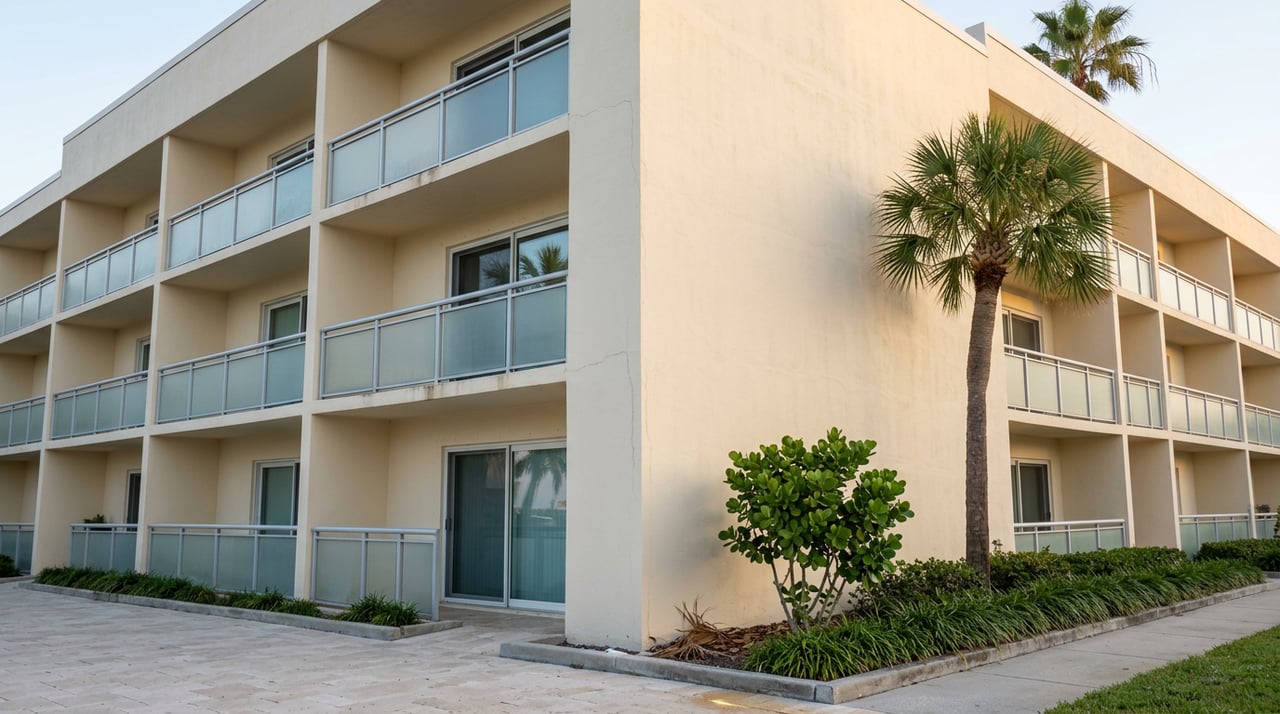
- Condos: Many are used as short‑term rentals. Owners often list in spring and summer to match rental season. Prices can move more sharply around peak booking windows, and DOM often shortens in late winter through summer.
- Single-family homes: More are owner‑occupied or long‑term rentals, so supply shifts more slowly. Pricing spans a wider range because of waterfront and luxury properties. DOM tends to be steadier, with pick‑ups around relocation cycles.
Local factors that move prices
- Short‑term rentals: Zoning and policy shifts in Walton County influence where STRs are allowed. Investor interest and rental income performance can push more condos to market in some seasons and pull them back in others.
- Insurance and flood risk: Coastal wind and flood exposure impacts premiums and affordability. You can review local flood zones using the FEMA Flood Map Service Center. Hurricane-season timing and storm trends also influence behavior, and NOAA is a useful source for seasonal context.
- Property assessments: Changes in assessed values from the county appraiser can influence listing decisions, especially for investors and second‑home owners monitoring carrying costs.
The signals that matter most
Watch these three gauges
- Months supply: Is inventory tight or building? Below about 4 to 5 months means seller strength, 5 to 7 months is more balanced, and above 7 to 8 months leans to buyers.
- DOM trend: If median DOM is 30 to 50 percent shorter than the prior period for your segment, demand is heating up. Longer DOM suggests softening.
- New listings vs pending sales: If pending keeps pace with new supply over 30 to 90 days, inventory stays in check. If pending lags, inventory grows and sellers may need to adjust.
Cross-checks for resort areas
- Cash share: Higher cash activity can speed up absorption and support firmer pricing.
- STR concentration: A higher share of short‑term rental listings may increase seasonal volatility in both pricing and inventory.
- Price per square foot by type: Compare condos with condos and single‑family with single‑family, and use the same micro‑location when possible.
Seasonality and timing tips
If you plan to buy
- Off-season opportunities: Late summer through early fall often means fewer active buyers and more room to negotiate, though the selection can be thinner.
- Peak-season speed: Late winter through summer brings more choices, especially for condos, but you need to move faster. Have pre‑approval and proof of funds ready.
- Investors: Underwrite seasonality. Compare gross summer rents with shoulder-season income, factor in cleaning, management, HOA, and maintenance. Include expected vacancy in your pricing.
- Insurance and flood: Request quotes early and confirm wind and flood coverage. Use the FEMA Flood Map Service Center to check zones and mitigation features, such as elevation and flood vents.
If you plan to sell
- Maximize price: List before or at the start of high-traffic months, typically late winter into spring, when buyer activity and showing volume rise.
- Faster close: If timing is critical, an off-season listing can reduce competition from similar properties, though you may trade some price momentum.
- STR properties: Showcase rental history, occupancy by season, and expense details. Buyers want clear income data to support their offer.
- Hurricane-season planning: Many owners avoid listing during August to October unless need or pricing makes sense. If you do list then, prep early and be ready to address insurance questions.
Pricing the smart way
Use like-for-like comps
In a market with wide price spreads, compare your property with near-identical homes or units. For condos, look at the same building, stack, and finish level. For single-family homes, focus on the same micro‑neighborhood and similar lot characteristics. Adjust for timing. A condo that sold in June may have caught peak-season pricing compared to one that closed in August.
Price-banding strategy
Small price adjustments can move your listing into a different search bracket, which exposes it to more buyers. The right band can drive showings without a big net price change.
A quick data checklist you can pull
What to ask for in a snapshot
- Active listings, split by property type: condos vs single‑family homes.
- New listings, pending sales, and closed sales over the last 30 and 90 days.
- Median sale price and median list price for the last 30, 90, and 365 days.
- Median DOM by property type.
- Months supply overall and by property type.
- Price per square foot trends over 6 to 12 months.
- Share of cash sales if available, and the percentage of listings marketed as short‑term rentals.
Label every metric with the date range used, such as a 3‑month rolling period ending last month. For statewide trend context, you can review market reports from Florida Realtors, and use the National Association of Realtors for definitions and widely used benchmarks.
What this means for condos vs homes
Condos
Expect more pronounced seasonal swings. Inventory often builds heading into spring and summer, but so does buyer turnout. During that window, median DOM can shrink and per‑unit pricing can rise. In the late-summer to early-fall lull, fewer buyers are in town, which can translate to more negotiation but a smaller active set of desirable units.
Single-family homes
Expect steadier pace and a wider price range, especially for waterfront locations. DOM may be less seasonal, though relocation cycles and winter visits can add bursts of activity. Pricing hinges on hyper-local comps, upgrades, and proximity to beach access, golf, and community amenities.
Your next steps
If you want a clear read on today’s numbers, start with months supply and DOM for your exact property type. Then layer in seasonality and your timeline. A focused snapshot makes it easier to decide whether to hold, list, or write an offer now.
When you are ready, we can pull a tailored MLS snapshot for your Santa Rosa Beach segment, outline pricing or offer strategy, and line up trusted vendors for prep, staging guidance, and launch. Our boutique team pairs deep South Walton expertise with a marketing‑first listing package that includes professional photography, MLS and social distribution, and a polished presentation that meets resort‑market expectations. Ready to list or find your resort home? Connect with Stephanie Phillips for a calm, data‑driven plan.
FAQs
What is months supply in real estate and why does it matter in Santa Rosa Beach?
- Months supply shows how long it would take to sell current inventory at the recent sales pace. In resort markets like Santa Rosa Beach, it helps you see whether seasonal demand favors buyers or sellers.
When is the best time to list a condo in Santa Rosa Beach?
- Listing before or at the start of high season, typically late winter into spring, often captures the most buyer traffic and can shorten days on market.
How do short‑term rental rules affect pricing and inventory in South Walton?
- Policies and zoning determine where STRs are allowed, which shapes investor demand and the number of condos that come to market in certain seasons.
How do flood zones and insurance costs impact buying near the beach?
- Flood and wind insurance premiums affect affordability and demand; check zones on the FEMA Flood Map Service Center and factor quotes into your budget.
What should an investor review before buying a vacation‑rental condo?
- Analyze seasonal income and expenses, occupancy history, HOA and management fees, expected vacancy, and price per square foot compared with recent condo comps in the same building or area.